Table of Contents
ToggleWhat Are Meme Coins?
Definition and History
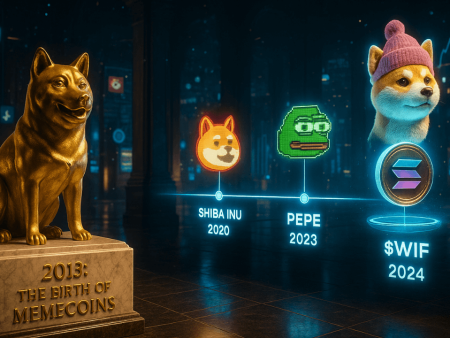
Meme coins are cryptocurrencies born more out of internet culture than from groundbreaking technology. Unlike Bitcoin, which launched with a whitepaper and a mission to decentralize money, meme coins often start as jokes or parodies. Dogecoin—the granddaddy of them all—was inspired by the Shiba Inu “Doge” meme back in 2013. Created by software engineers Billy Markus and Jackson Palmer, it was never meant to be taken seriously.
Yet here we are.
Over the past decade, the crypto space has evolved, but meme coins have managed to stay relevant. They appeal to internet-savvy investors, casual crypto traders, and anyone looking for a lottery ticket with a side of meme magic. They thrive not on financial fundamentals, but on virality, community enthusiasm, and cultural relevance.
Key Examples (e.g., Dogecoin, Shiba Inu, PEPE)
- Dogecoin (DOGE): The OG meme coin. Once used to tip Redditors and fund NASCAR cars, it’s now in the portfolios of everyday retail traders and Elon Musk.
- Shiba Inu (SHIB): Often called the “Dogecoin killer,” it rode the coattails of DOGE’s hype but carved its own ecosystem with DeFi ambitions.
- Pepe (PEPE): A recent viral hit built around the iconic frog meme, PEPE exemplifies just how quickly a coin can moon—with or without utility.
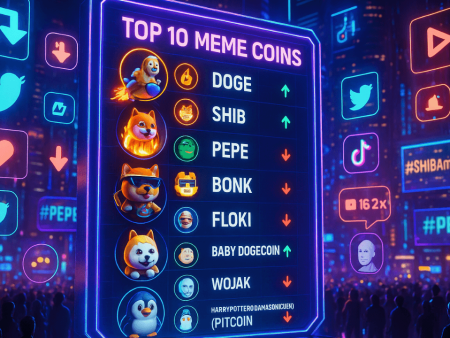
Other mentions include FLOKI, Baby Doge, and even Trump-themed tokens, all proving that in meme-land, there’s no cap on creativity—or absurdity.
How Meme Coins Differ From Traditional Cryptocurrencies
Traditional cryptos like Bitcoin or Ethereum are backed by robust technology, clear use-cases, and often have developer ecosystems maintaining the network. Meme coins? Not so much.
Here’s a comparison:
| Feature | Traditional Crypto | Meme Coins |
|---|---|---|
|
Use-Case |
Payments, Smart Contracts, DeFi |
Mostly Speculative |
|
Tech Development |
Active GitHub Repos, Core Teams |
Often Absent or Community-Led |
|
Investor Base |
Institutional + Retail |
Mostly Retail + Memelords |
|
Market Drivers |
Innovation, Adoption, Regulation |
Social Media, Celebrity Tweets, Virality |
But don’t mistake the lack of technical depth for lack of impact. Meme coins have redefined what “value” means in a decentralized economy.
The Rise of Meme Coins
From Internet Jokes to Billion-Dollar Market Caps
Let’s be clear: meme coins weren’t supposed to be worth anything. They were internet inside jokes turned tokens. Yet, somehow, these jokes attracted serious capital. Dogecoin’s market cap hit over $90 billion at one point in 2021—more than major companies like Ford or Twitter.
Their explosive rise? It’s a cocktail of:
- Ridiculous branding
- Pop culture relevance
- Community hype
- Easy access via decentralized exchanges
Retail investors—often shut out of early rounds in serious projects—found meme coins a fun, accessible way to jump into crypto.
Role of Social Media and Influencer Culture
Meme coins live and die by the retweet.
Reddit, Twitter (X), Discord, and Telegram are the true incubators of meme coin momentum. Elon Musk tweeting a Shiba Inu image can move markets. TikTokers shilling a new meme coin can cause 1000% price spikes in 24 hours.
They’re not investments. They’re viral content that happens to be tradeable.
Political and Cultural Influences (e.g., Elon Musk, Trump, Reddit)
Whether it’s Musk dubbing himself “The Dogefather,” or Trump-themed tokens catering to libertarian investors, meme coins are deeply political—albeit ironically. They’re symbols of rebellion against the polished, institutional finance world.
Communities often rally behind shared ideals or collective trolling. Think of Reddit’s WallStreetBets crowd weaponizing GameStop—meme coins tap into the same chaotic good energy.
Do Meme Coins Have Any Real Value?
Utility vs Speculation
Let’s be real: most meme coins aren’t used for anything beyond speculative trading.
Dogecoin is an exception—accepted by some merchants and integrated into tipping platforms. Shiba Inu attempted utility through its ecosystem (ShibaSwap, NFTs). Still, these are rare cases.
Speculation remains the core driver. Value exists because people believe it does, not because of underlying utility.
Case Studies of Success and Failure
- Success: Dogecoin, Shiba Inu – built loyal communities, got media attention, even earned pseudo-legitimacy.
- Failures: Dozens of coins like MoonPug, SafeHamster, or Akita Inu boomed and busted within weeks. Most ended up as “rug pulls” or forgotten listings.
CoinMarketCap lists over 500 meme coins, but only a handful have sustained attention or liquidity.
Community Strength as a Value Metric
Here’s a spicy take: community is utility in meme coin world.
Projects with meme armies on Reddit or X often outperform technically superior but socially dry coins. Meme coin success often mirrors fanbase energy, not GitHub commits.
Market Data: How Many Meme Coins Actually Survive?
Research & Survival Rates
According to recent blockchain analytics:
- Over 90% of meme coins launched since 2020 are inactive.
- Average lifespan? Around 3–6 months.
- Most fail due to lack of liquidity, community decay, or developer exit.
What Differentiates Survivors from Failures
Survivors typically have:
- Strong branding (e.g., Shiba Inu’s consistent meme style)
- Active social engagement
- Liquidity on major exchanges
- A clear, if quirky, roadmap
Failures often lack:
- Doxxed founders
- Transparent tokenomics
- Actual use-cases
- Community moderators
The Lifecycle of a Typical Meme Coin
- Launch: Via stealth or viral marketing
- Hype Phase: Social media frenzy
- Pump: Speculative inflows
- Dump: Dev sells or market cools
- Silence: Abandonment or liquidity dries up
Sound familiar? It’s the penny stock playbook—just meme-ified.
Investing in Meme Coins: Smart or Risky?
Pros and Cons of Holding Meme Coins Long-Term
Pros:
- Low barrier to entry
- High ROI potential (if timed right)
- Community-driven fun
Cons:
- Extreme volatility
- No fundamental backing
- Risk of rug pulls or delisting
They’re either lottery tickets or landmines.
Exit Liquidity and Pump-and-Dump Schemes
New investors often unknowingly become the “exit liquidity” for early whales. Influencers shill coins, price pumps, insiders dump, then retail holders are left holding the bag.
Some red flags:
- Sudden supply burns
- “Dev renounced ownership” but controls LP
- Anonymous teams
Always DYOR (Do Your Own Research).
How to Spot Red Flags in New Meme Coins
- No whitepaper or roadmap
- Suspicious Telegram activity (bots, spam)
- Lack of code audits
- “Too good to be true” marketing
Use tools like TokenSniffer and CoinTool.app to vet tokens before investing.
Strategies for Long-Term Meme Coin Investing
Risk Management Techniques
- Only invest what you can afford to lose
- Set hard stop-losses or price alerts
- Avoid FOMO buys after 1000% pumps
Meme coins are the roulette wheel of crypto—approach with a budget, not dreams.
Portfolio Allocation Tips
- Limit meme coins to 5–10% of your total portfolio
- Diversify across types: some blue-chip (ETH/BTC), some high-risk (memes)
- Hedge via stablecoins or DeFi yield options
Timing the Market vs Holding Through Cycles
Some meme coins like DOGE rebounded in cycles. But timing is tough. If you’re in profit, consider taking 50% off the table.
HODLing is fun until it isn’t. Set clear entry/exit plans.
Future Outlook: Will Meme Coins Still Exist in 5–10 Years?
Trends in Regulation and Token Standards
Regulators are cracking down on pump-and-dump schemes. Expect:
- Mandatory KYC for dev teams
- Token launches requiring clearer disclosures
- Exchanges delisting “dead” coins
Still, the decentralized nature of meme coin culture makes full regulation tricky.
Will Meme Coins Evolve Into Something More?
Some already are. SHIB is experimenting with L2 solutions (Shibarium). Others aim to integrate NFTs, gaming, or DAOs.
But most will remain as internet art projects with price tags.
Expert Predictions From Crypto Analysts
- Bullish View: Meme coins will evolve into community-governed, utility-driven networks.
- Bearish View: 99% will vanish, but a few will become cultural relics—like Beanie Babies with blockchains.
Bottom Line: Should You Bet on Meme Coins for the Long Run?
TL;DR Summary
- Meme coins are fun, risky, and often short-lived.
- A few (DOGE, SHIB) have built lasting value.
- Community matters more than code.
- Treat them like a speculative play, not a retirement plan.
Final Verdict Based on Data + Market Sentiment
Will meme coins survive long term? Yes, but only a handful.
The meme coin graveyard is vast, but the survivors might become part of digital folklore—or reinvent themselves into something surprisingly useful.
Conclusion
Meme coins are crypto’s wildest ride—chaotic, hilarious, and sometimes profitable. They won’t all survive, but the best of them will evolve or be remembered as digital cult classics.
Don’t bet the farm. But don’t ignore them either. They’re teaching us that finance, like memes, is culture—and culture doesn’t die easy.
FAQ
Poor tokenomics, inactive devs, and lack of community engagement are the main killers.
Only a select few have proven to hold long-term value. Most are better suited for short-term speculation.
Some attempt this via DeFi, NFTs, or governance features—but it’s rare.
Dogecoin (since 2013) and Shiba Inu are among the oldest still actively traded.
Look for transparent teams, community involvement, and actual token utility or ecosystem plans.
Not entirely, but it will weed out scams and force better transparency.
About the Author

Andrew Edwards is the co-founder of SecretsToTrading101 and has years of practical experience in online trading, prop firm evaluations and financial content review. He specialises in helping traders understand trading rules, challenge requirements and platform conditions so they can make informed decisions. Andrew oversees the accuracy of our prop firm guides and ensures all information is reviewed against current firm terms and risk standards.